Skip to content

Fire door contractors for estates & facilities teams across the South West

Fire-door actions.
Properly closed.

Already have a fire door survey, inspection or job sheet? Send it over. We'll turn the findings into clear actions, complete the agreed work and give you clear evidence of what's been closed.

Job sheet · JFD-1042Site: redacted
Illustrative job sheet: each door, the finding, the action and its status
DoorFinding actionStatus
FD30-014Gaps over 4mm, head and hinge sideAdjust and resealClosed
FD60-003Damaged self-closer, plant roomRepairClosed
FD30-021Missing intumescent to leaf edgeReplace doorsetOn site
FD30-045Unknown specification, stair coreInvestigateDecide
FD30-052Signage and vision panel defectsRemedialClosed

4 of 5 actions closed · evidence attached per door14 Mar

Illustrative example

Fire door specialists. Keeping the route to finished work simple.

  1. South West specialistPlymouth-based, working across Devon and Cornwall.
  2. Demanding environmentsLive healthcare, education and laboratory settings.
  3. Inspection → remedialsOne contractor from finding to completed work.
  4. Evidence on completionDoor-level records you can hand to anyone who asks.

The actual problem

You don't need another fire door report. You need the actions dealt with.

Most estates teams we meet already know roughly what's wrong. The difficulty is getting it scoped, instructed, completed and evidenced while the building stays open.

  1. You have a survey. You need the actions turned into work.The findings are there. The next job is checking what can actually be repaired, what needs replacing, whether anything needs further investigation and what the work will cost.
  2. Remedials have stayed open longer than anyone wanted.Actions carry over month to month and before long, what started as a manageable list becomes another operational headache.
  3. The evidence from previous work is not good enough.Photos, records and completion information should make it easier to see what happened against each action, not create another round of chasing.
  4. Your existing contractor can do the work. They just can’t take all of it right now.You may simply need another capable fire door contractor to take a defined job sheet and get it moving.
  5. You’re tired of dealing with fire doors reactively.Instead of waiting for the next problem to appear, you want a clearer approach to inspections, remedials and planned maintenance across the estate.

findingdecisioncompleted workclear close-out

We keep fire door safety simple.

  • You know what needs doing.
  • You know what is happening.
  • You know what has been completed.

How the work moves, end to end.

Three stages. Each one ends with something you can act on or hand over.

  1. Decide

    Know what actually needs doing before you instruct it.

    We survey or work from yours, visit site, then split every door into repair, replace or investigate with a price against each line.

    You end up with: A scoped, priced schedule you can sign off

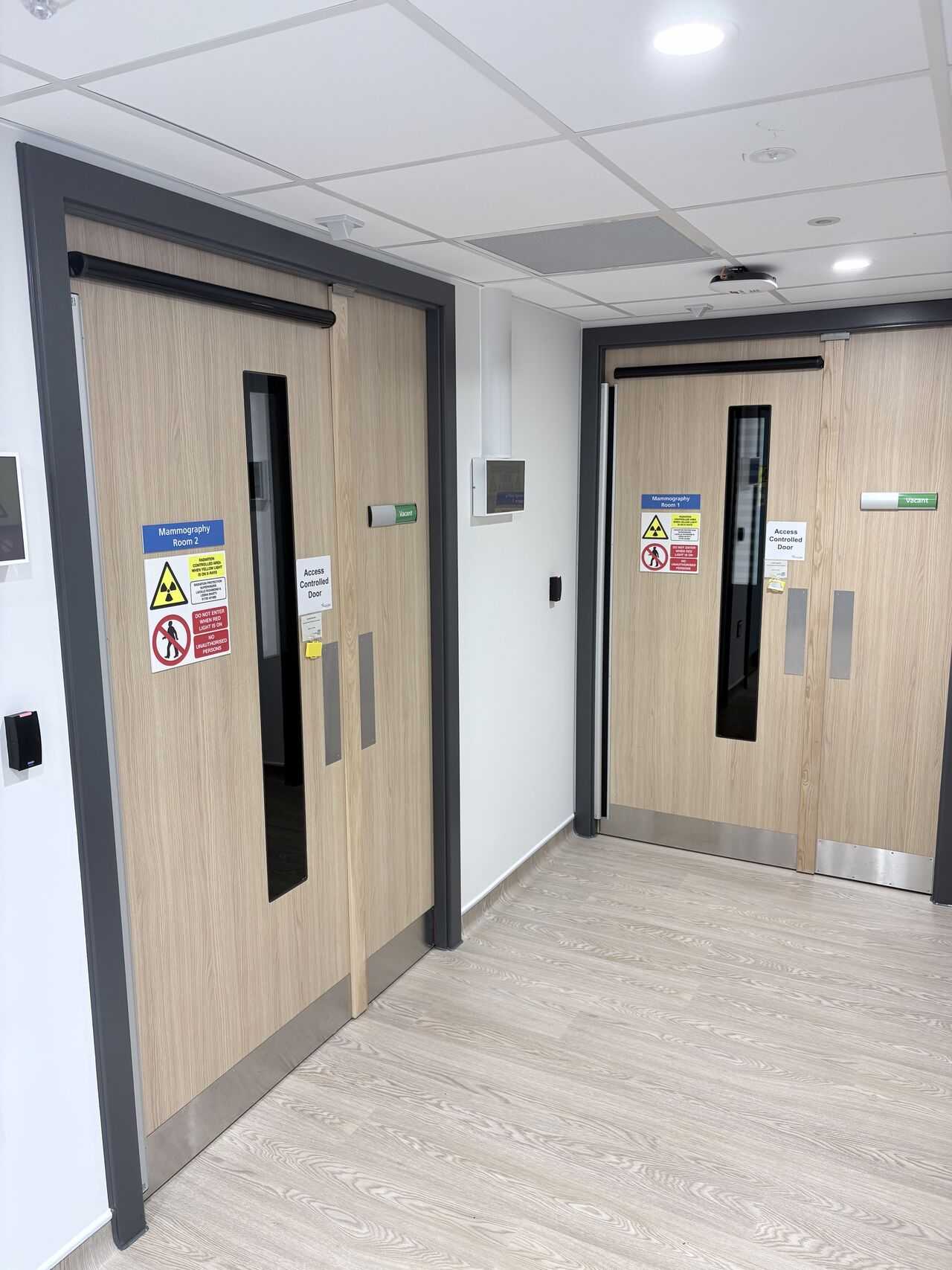
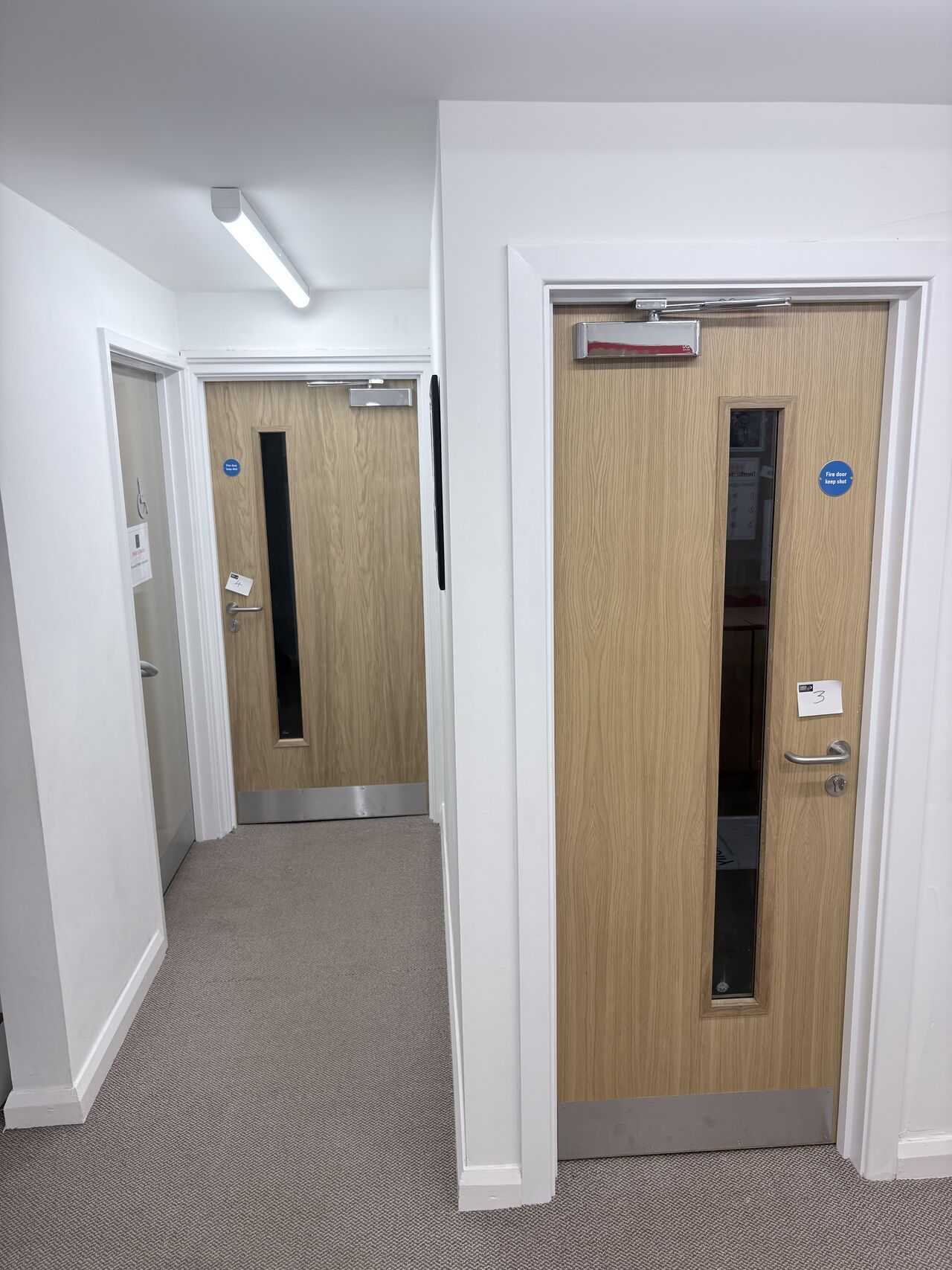
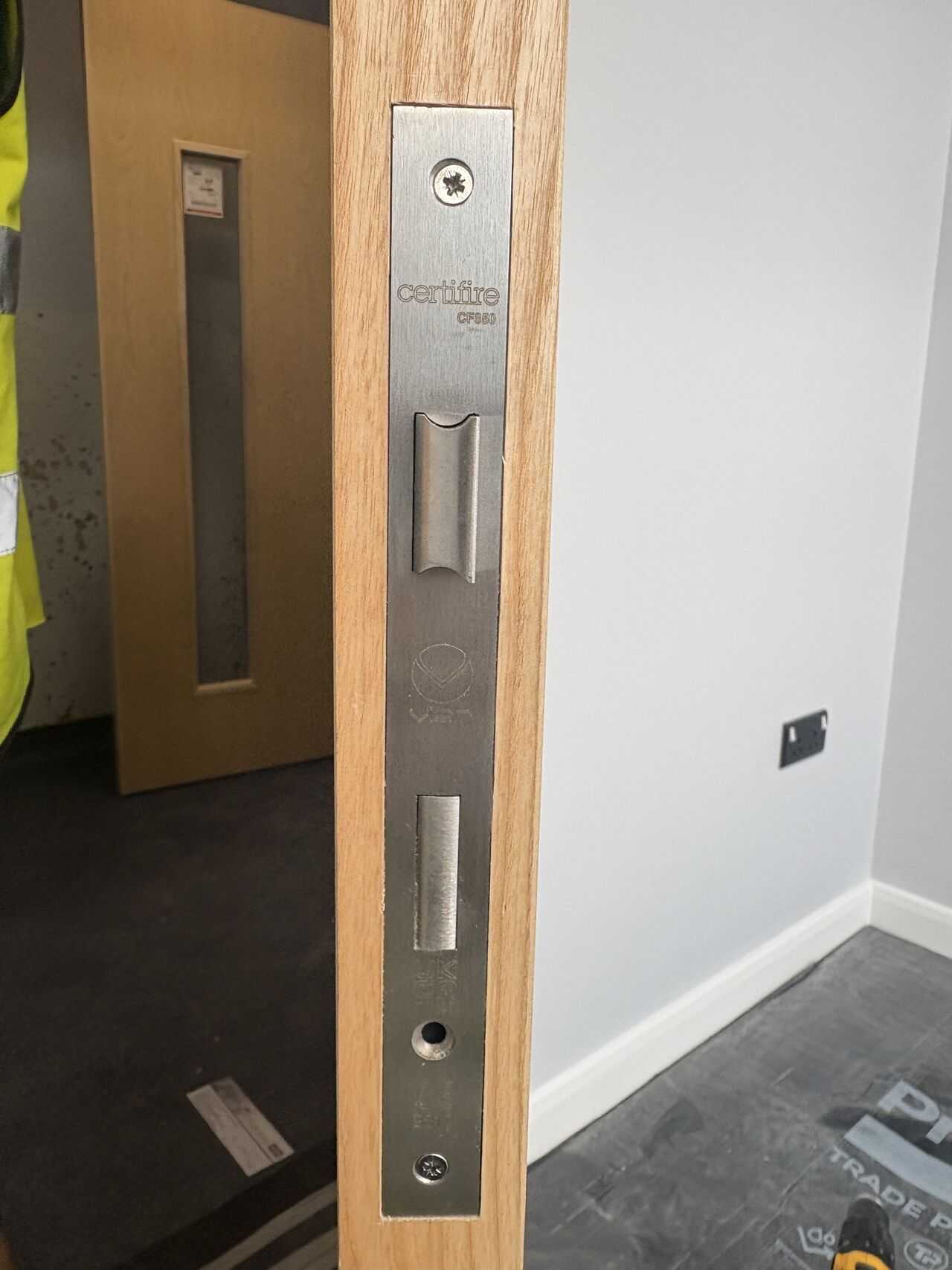
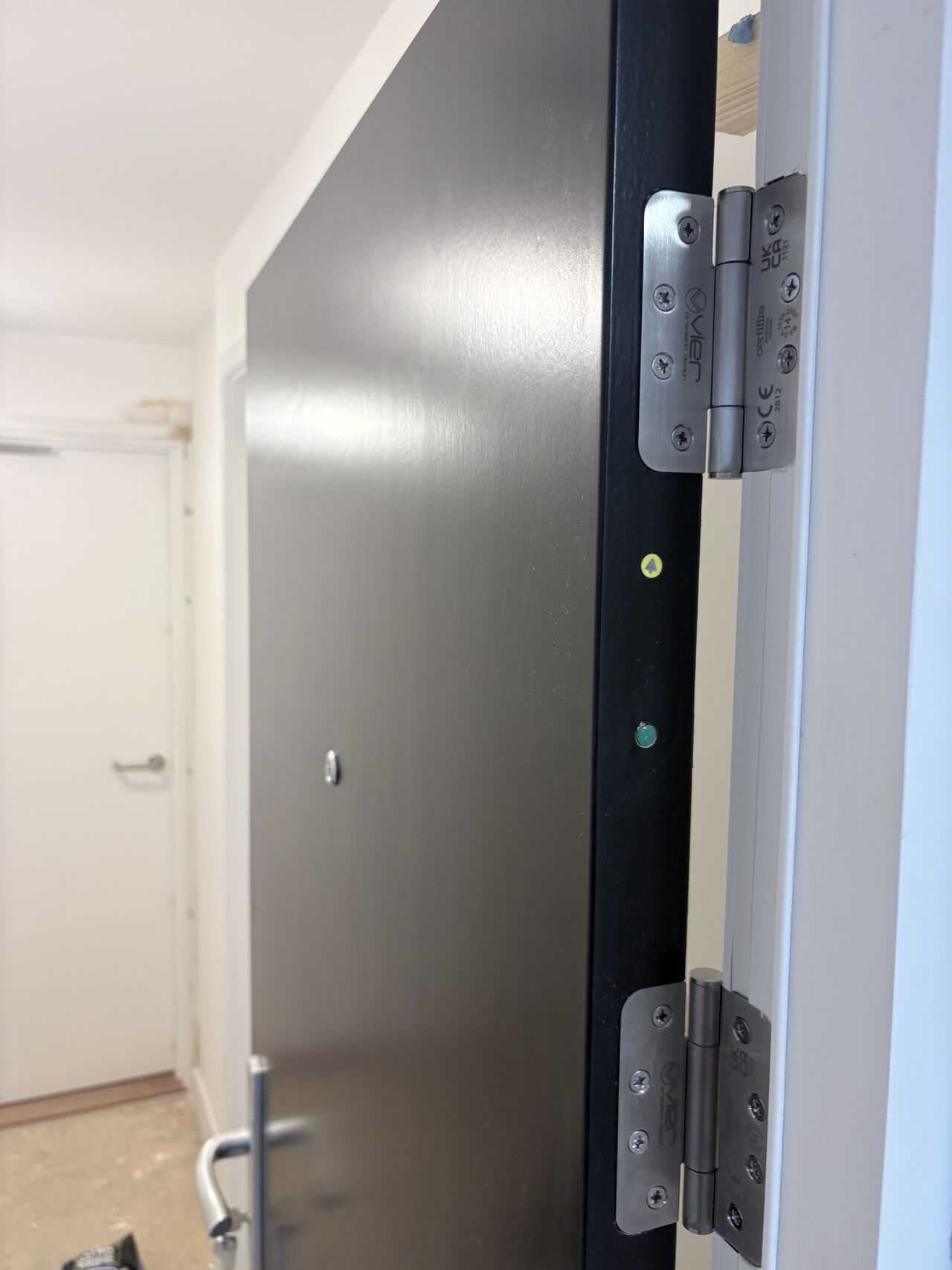
    Certified lock and ironmongery detail on an installed doorset, Stoke Damerel
  2. Deliver

    Get the agreed work done without losing sight of the job.

    We plan around the building and the people using it, whether that means school holidays, live healthcare areas or occupied sites.

    We work through agreed areas, keep disruption under control and make sure you have sight on progress.

    You end up with: Visible progress against the agreed programme

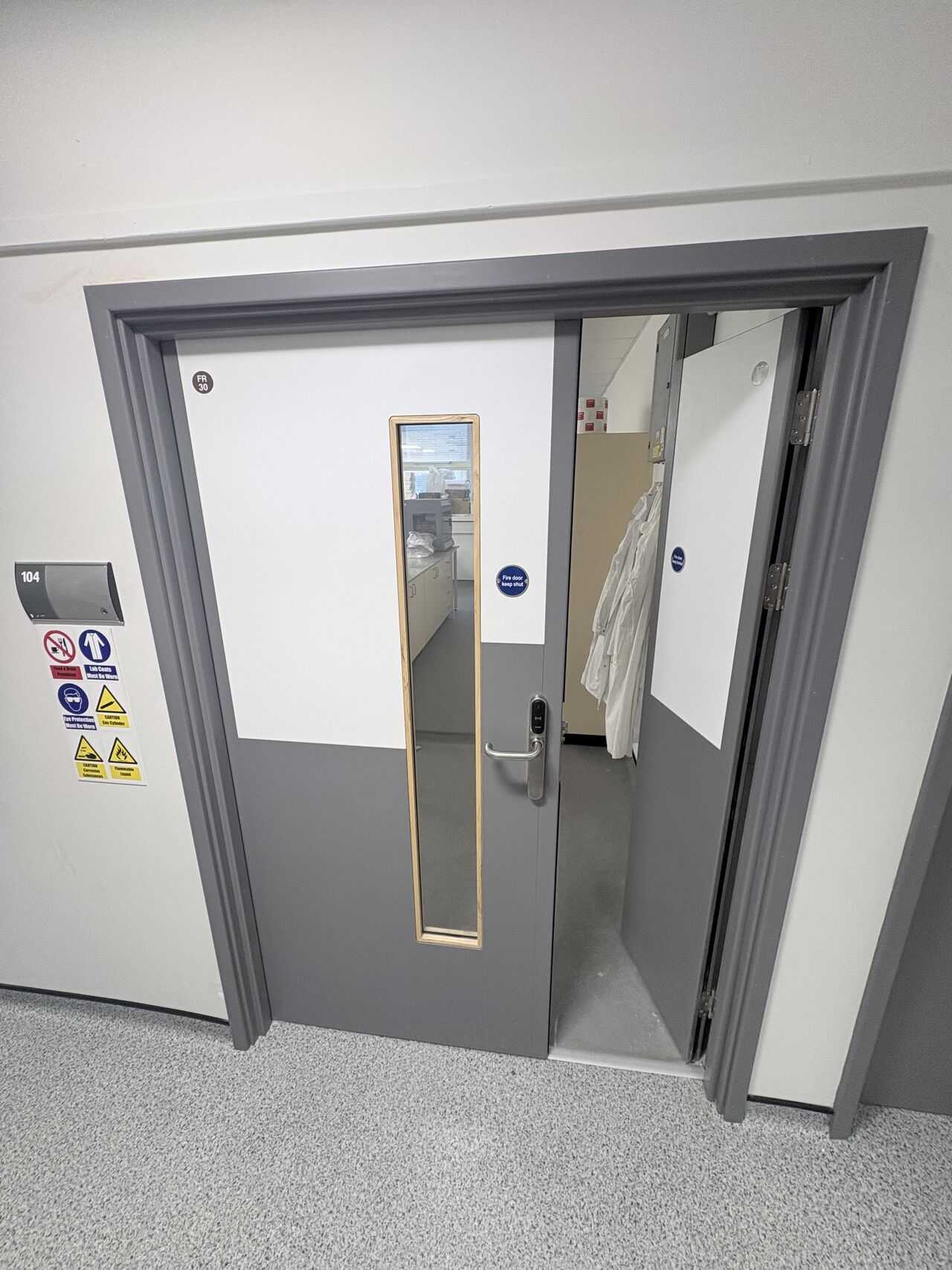
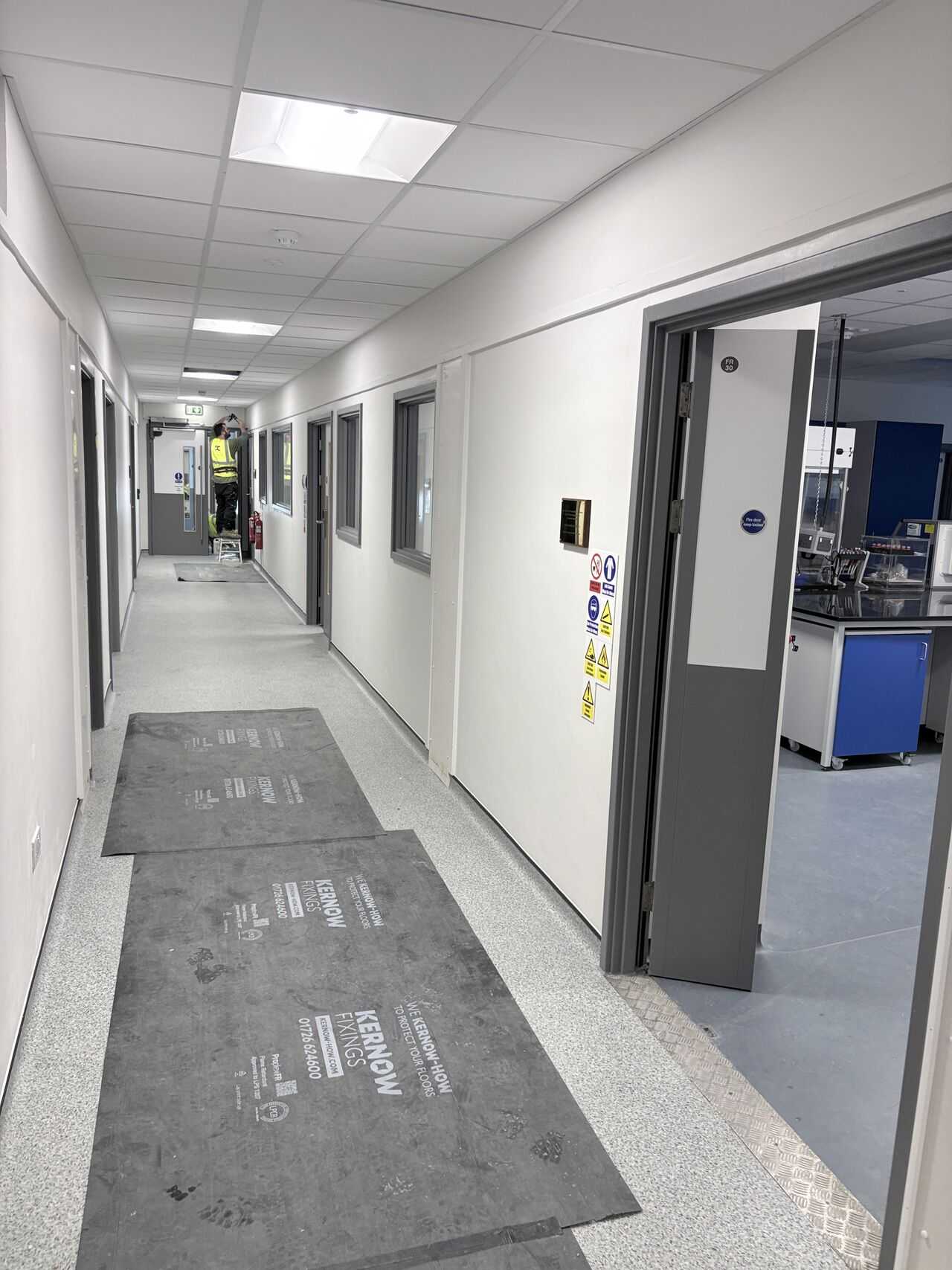
    JFD installer working on a laboratory corridor doorset, University of Plymouth Davey Building
  3. Close

    Finish with evidence you can actually use.

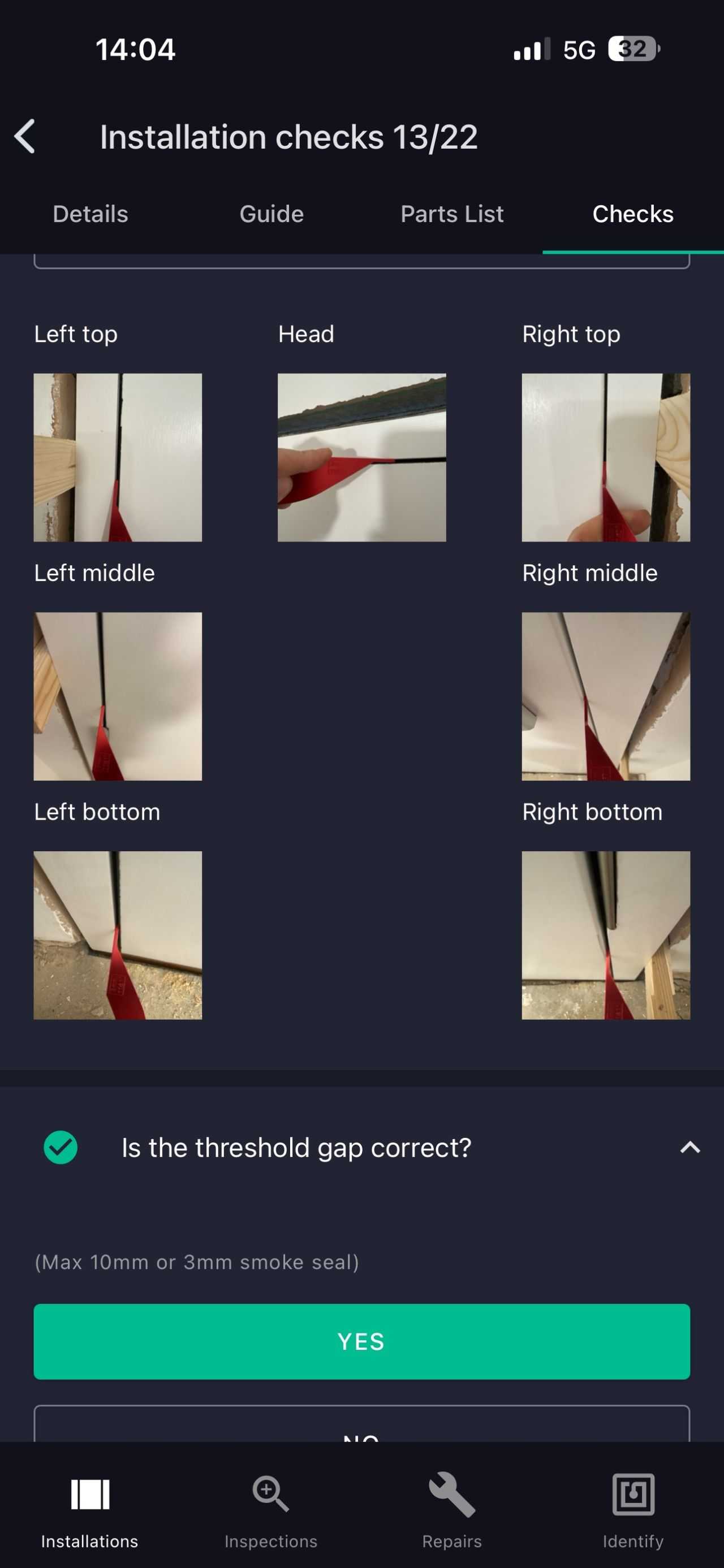
    Each door closes out with its own record in Door Data Systems (DDS): what was found, what was done, before and after, and anything still outstanding.

    You end up with: Door-level evidence, ready to hand over

    Door Data Systems record showing gap checks with photos per door

Fire door work has to work in the real world.

Specifications matter.

So do deadlines, occupied buildings, specialist requirements and the people who need to keep using the site while the work is happening.

Why Just Fire Doors?

It's in the name.

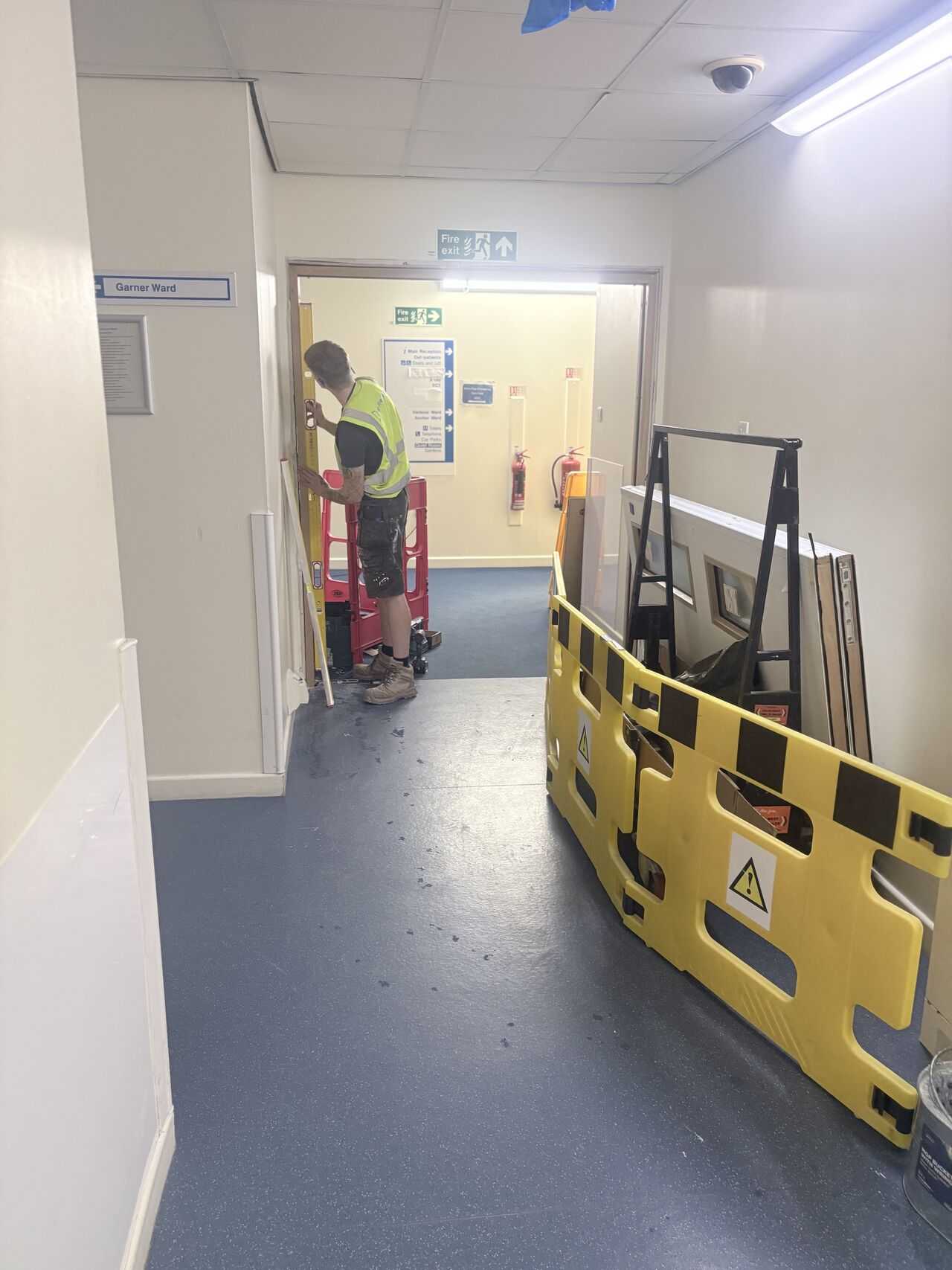
JFD installer checking a frame for plumb in a live hospital corridor, Bodmin
JFD installer on site · Bodmin Hospital
Why JFD →
  1. Because fire doors are what we do.

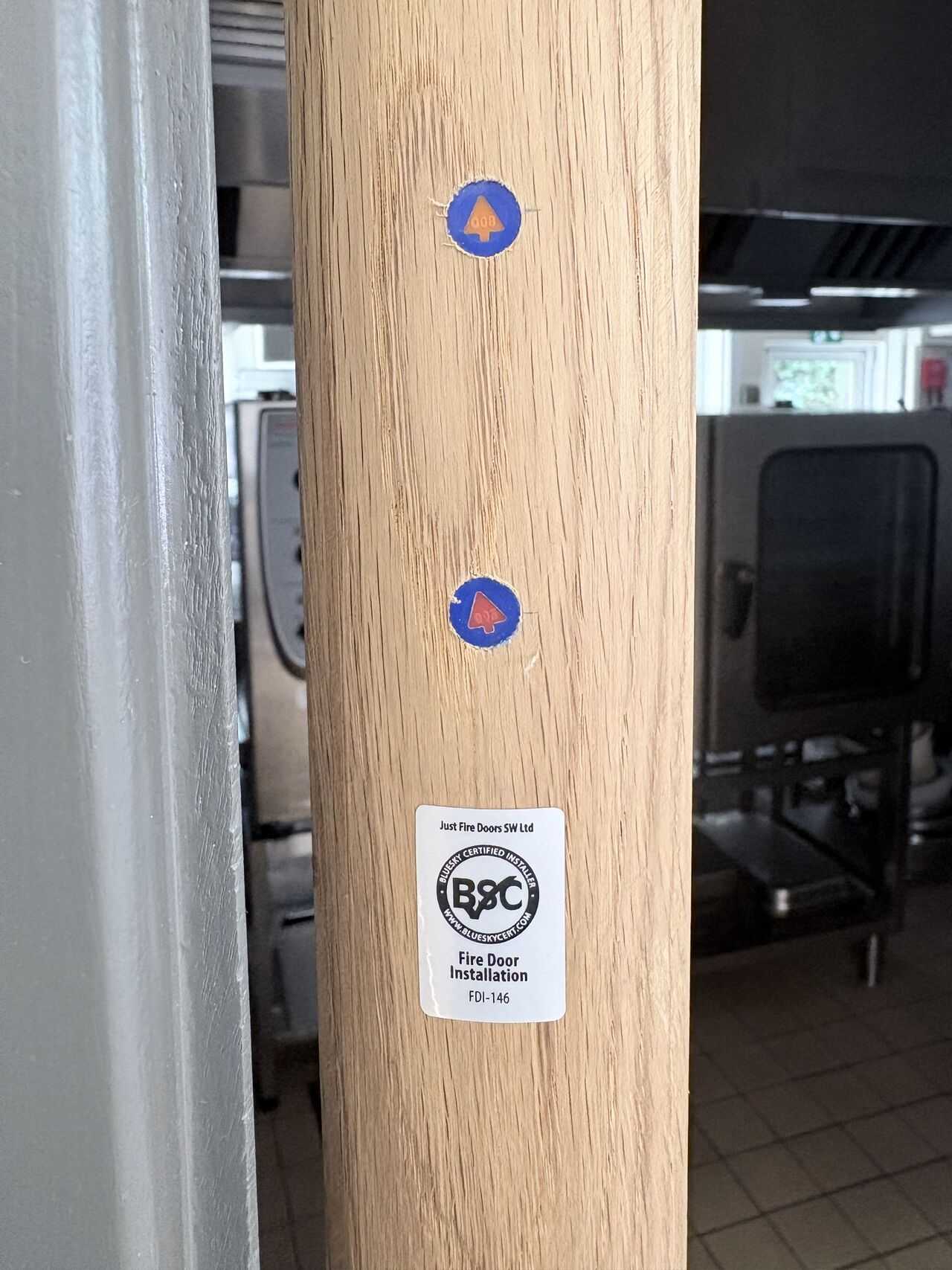
    The clue is in the name. JFD is a specialist fire-door contractor, with BlueSky third-party certification for fire door installation and fire stopping of penetrations.

    Our installers are qualified carpenters with additional fire-door-specific training.

    Third-party certified
    installation & fire stopping
  2. Because you can start with the job you actually need help with.

    • One survey
    • One site
    • One backlog
    • One package your contractor can’t take on

    There’s no need to turn a defined piece of work into an estate-wide supplier change.

  3. Because we understand occupied buildings.

    Schools, hospitals, laboratories and residential buildings each put different demands on a programme.

    We plan around access, building users and the work happening around us rather than treating every site the same.

  4. Because clear completion matters as much as starting the job.

    The useful finish line isn’t simply “engineer attended”. It’s being able to see what was completed and having the records your team needs afterwards.

  5. Because customers come back.

    A high proportion of JFD’s work comes from returning customers and referrals from contractors, Estates teams and other fire-safety specialists.

  6. Because straightforward is a feature.

    • Clear scope
    • Clear work
    • Clear evidence

    Fire door safety already carries enough complexity. Your contractor doesn’t need to add more.

Already have a fire door survey or job sheet?

Send it over.

Share the survey or job sheet, tell us the site and anything we need to know about access. We’ll come back with the actions, the schedule and a price.

Send us your survey or job sheetTalk through your fire-door work →

One site. One backlog.
One defined piece of work.